

As we traverse into an era of technological advancement and environmental consciousness, innovative solutions are paramount to addressing the pressing challenges of energy consumption and efficiency. Among these emerging technologies, the Hydrogen Energy Damper Actuator exemplifies a progressive synthesis of renewable energy and mechanical engineering. This actuator integrates hydrogen as an energy source with damping capabilities, intended to enhance the performance and stability of various mechanical systems.
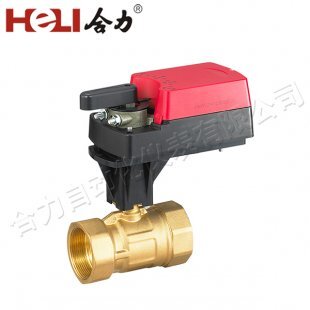
Understanding the Concept
At its core, a Hydrogen Energy Damper Actuator operates on the principles of converting hydrogen fuel into mechanical motion through a series of advanced components. These components typically include a hydrogen storage system, a control system, a fuel cell, and the actuator itself. The hydrogen storage system securely stores hydrogen gas, which can be either in compressed form or through chemical storage methods. When energy is required, the hydrogen undergoes a chemical reaction within the fuel cell, producing electricity. This electrical energy then powers the actuator, allowing it to manage vibrations and movements effectively.

 Chat Oline