understanding the electric ball valve: features, applications, and advantages
Release time:2026-01-23 16:24:28
The Electric Ball Valve is a vital component in various industrial applications, particularly for controlling the flow of fluids and gases. This sophisticated device merges mechanical engineering with electronic control, offering an efficient solution for many sectors, including water treatment, HVAC systems, chemical processing, and more. This article delves into the features, working principles, applications, and advantages of electric ball valves to provide a comprehensive understanding of this essential valve technology.

What is an Electric Ball Valve?
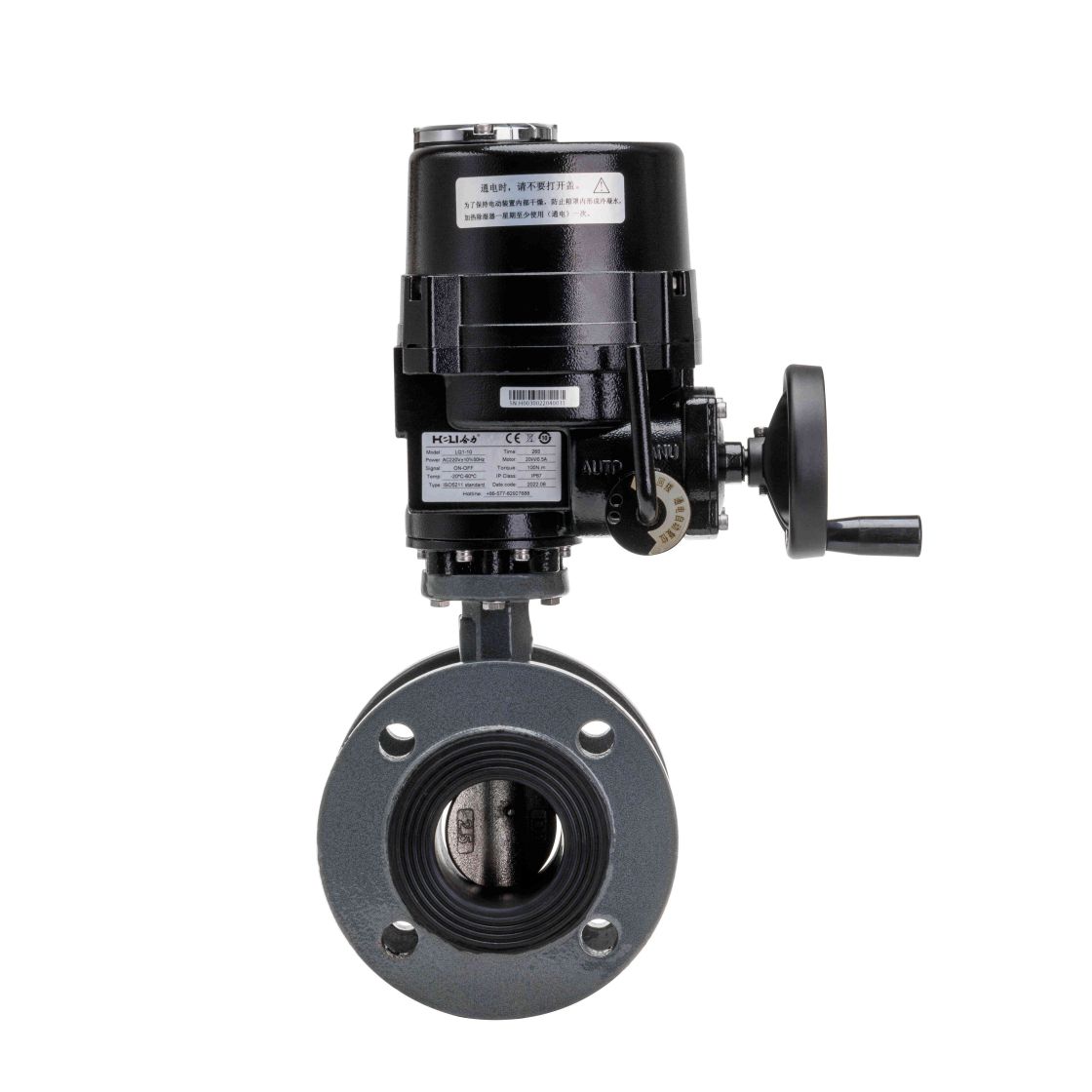
An Electric Ball Valve consists of a hollow ball with a bore through its center, mounted on a rotating stem within a valve body. The ball can be rotated 90 degrees to either allow or block the flow of fluid. The electric component primarily refers to the actuator — an electric motor that operates the valve's opening and closing mechanism. This actuator can be controlled through various means, including manual switches, automated control systems, or remote control interfaces, making it an integral part of modern automated fluid control systems.
Working Principle



 Chat Oline